
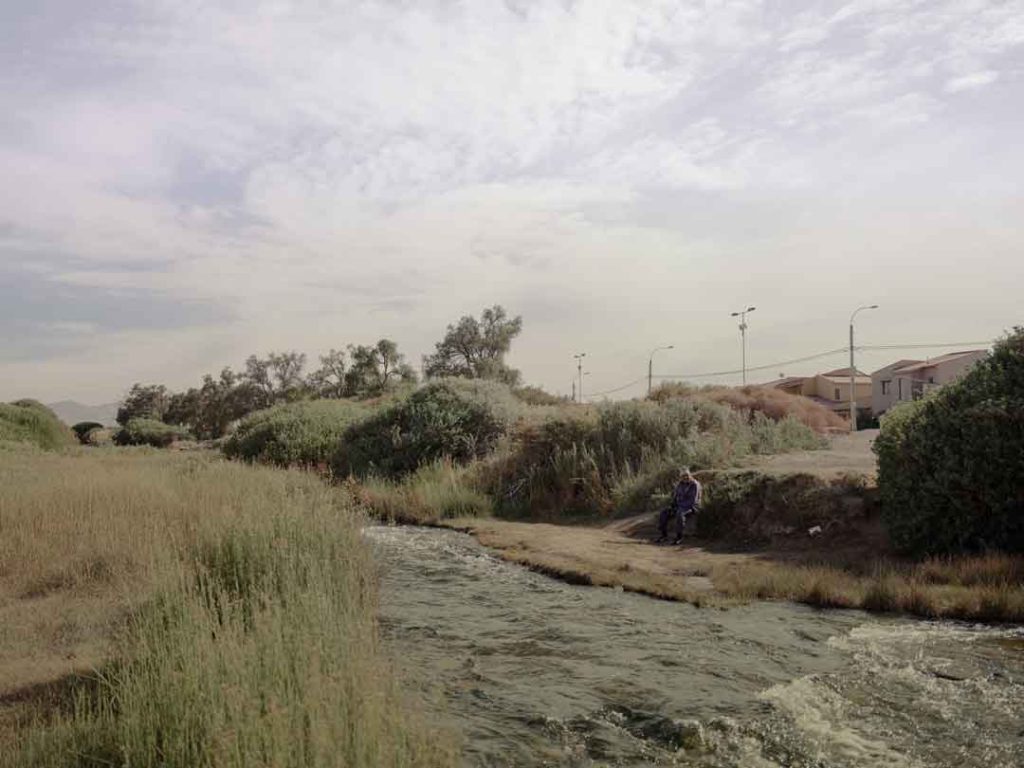
This domain examines water-dependent ecologies in the Atacama Desert and its river valleys, including water bodies —both active and dry— wetlands, salt flats, oases, and other fragile ecosystems. It addresses the interrelations among geology, topography, climate, flora, fauna, microorganisms, and broader patterns of biodiversity, while also considering processes of environmental contamination and ecological stress. Particular attention is given to episodic and highly sensitive phenomena such as desert bloom events, fog systems, and temporary wetlands, understood as key indicators of ecological variability, adaptation, and environmental vulnerability.
This domain examines the historical evolution of settlements in the Atacama Desert and its river valleys, from pre-Hispanic occupations to contemporary mining towns and infrastructural landscapes. It focuses on urban history, industrial heritage, abandoned mining camps, archaeological sites, and former railway and hydraulic networks. Particular attention is given to the ways in which water infrastructures have shaped urban form, economic cycles, and cultural identity over time, as well as to their relevance for heritage interpretation and tourism.
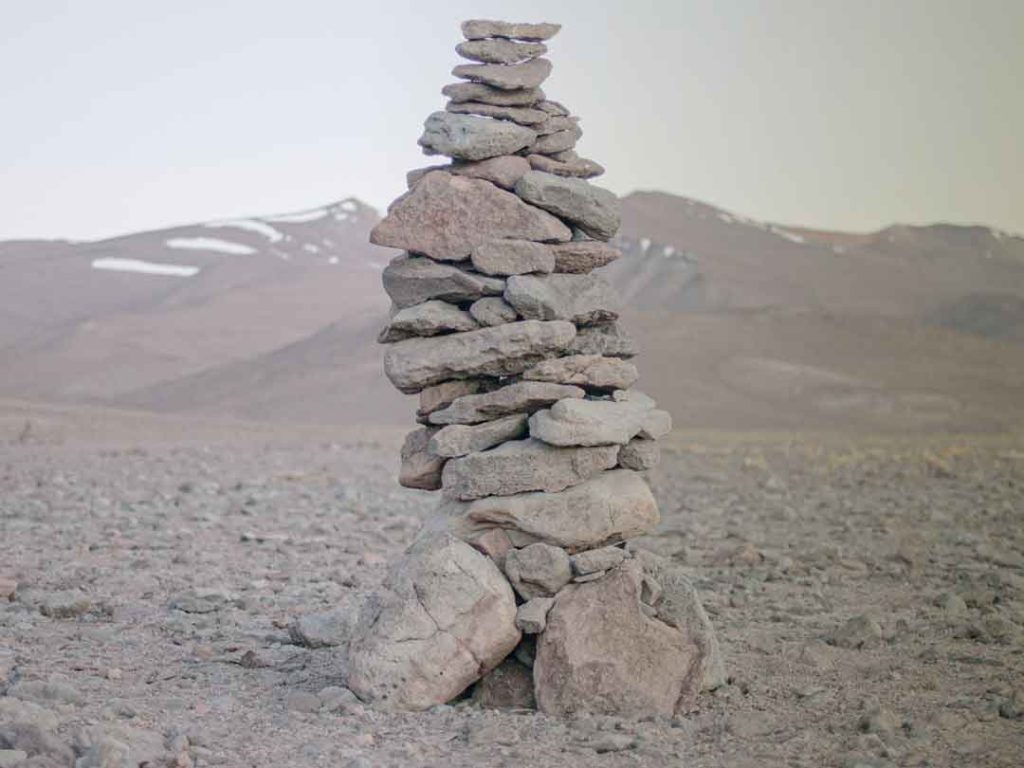
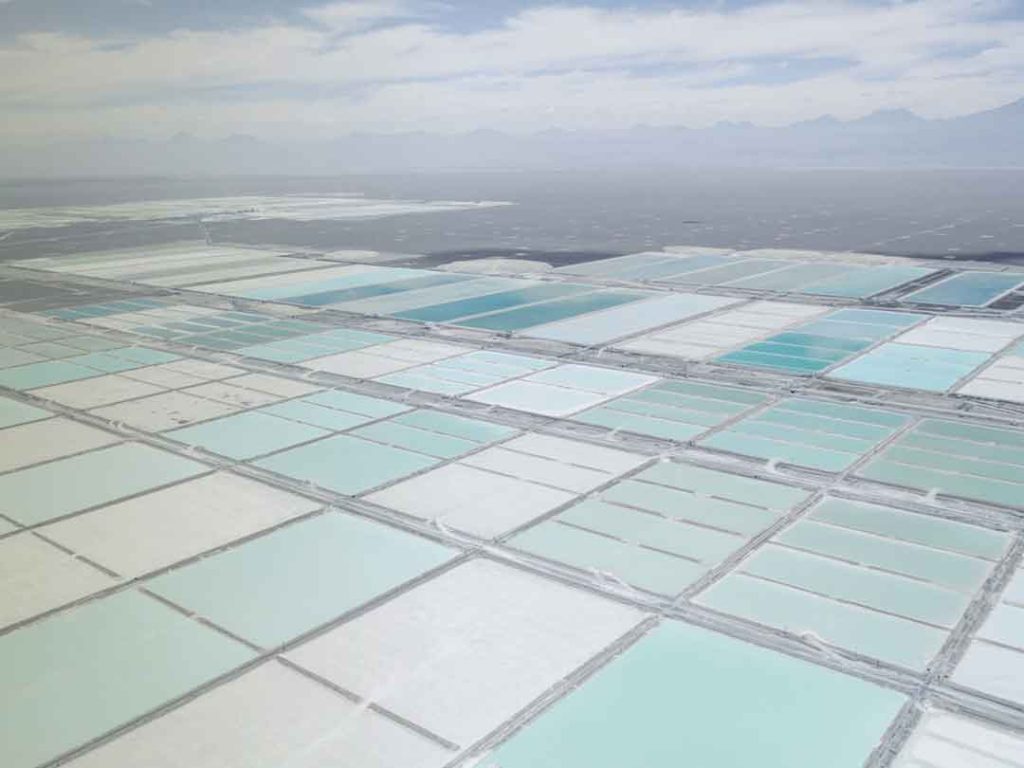
This domain explores the relationship between water and productive systems in the Atacama Desert and its river valleys, with particular attention to mining, energy production, and associated infrastructures. It addresses desalination processes, reverse-osmosis plants, water treatment facilities, storage reservoirs, distribution networks, and hydrological systems linked to extractive operations. It also considers rivers and dry riverbeds as vectors of contamination, together with the presence of tailings, polluted soils, and the broader environmental footprint of extractive and energy industries. Emphasis is placed on how water scarcity, industrial demand, and technological systems shape territorial transformations.
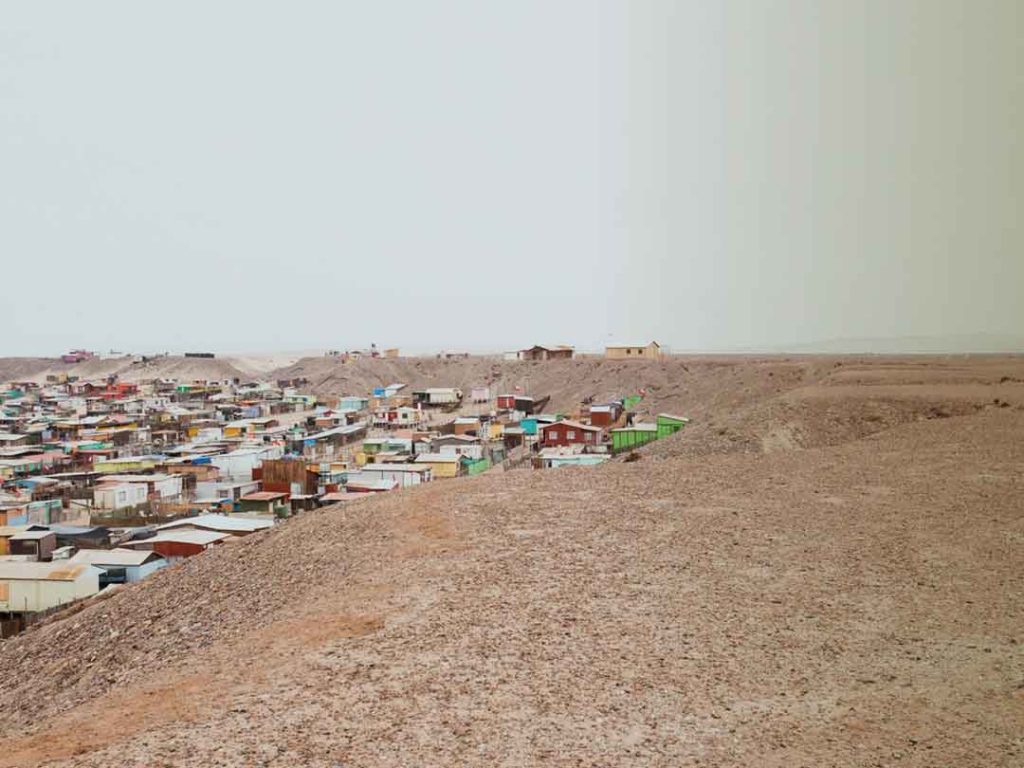
This domain addresses the socio-economic dimensions of water in the Atacama Desert and its river valleys. It examines population distribution, access to water, water rights, housing conditions, basic services, educational and health facilities, and the structure of urban and rural settlements. It also considers how water availability—or scarcity—shapes inequality, displacement, migration, informal settlements, and everyday life. Special attention is given to transportation networks and territorial connectivity as systems that both depend on and transform hydric landscapes.
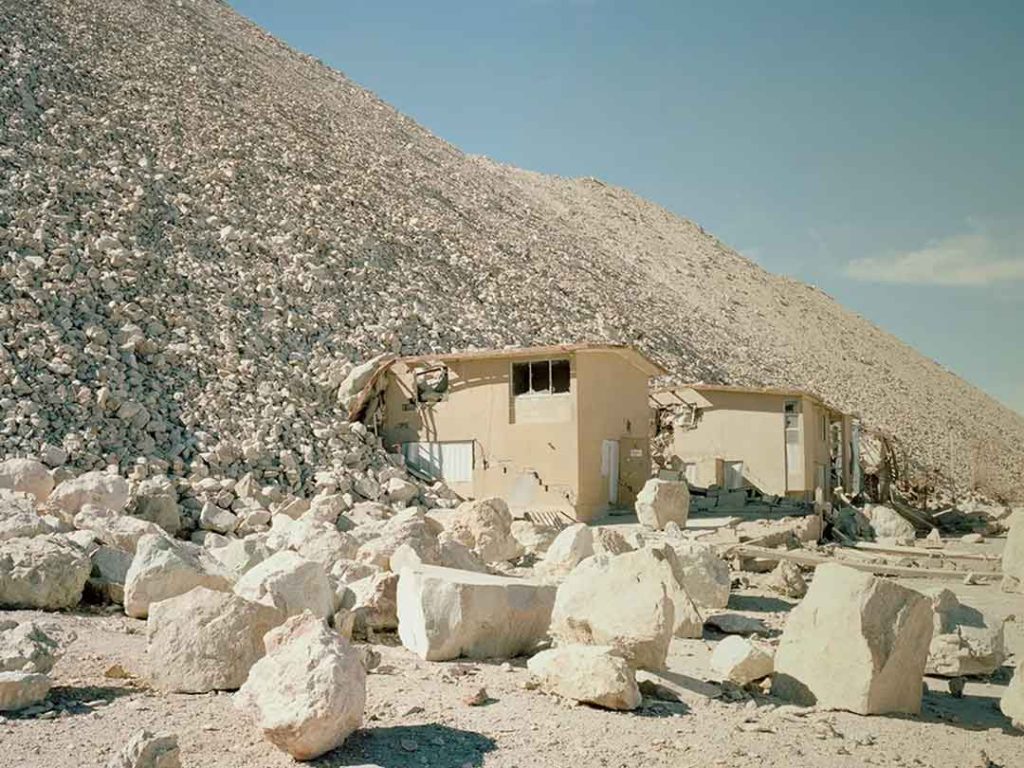
This domain examines water as a catalyst of risk and extreme events in the Atacama Desert and its river valleys. It addresses phenomena such as alluvial floods, landslides, inundations, earthquakes, tsunamis, and their interaction with urban and rural settlements. It focuses on territories exposed to risk, considering how hydrological instability, climate anomalies, and fragile topographies affect inhabited landscapes and shape conditions of vulnerability.
Registration
Welcome Remarks: Dean Iñaki Alday
Introduction: Rubén García Rubio and
Cristóbal Molina
Panel 1 (Water Heritages):
Cecilia Puga, Pilar Alliende and Orlando
Hernández Ying.
Moderator: Tony Pereira (SCLAS)
Panel 2 (Water Technologies):
Mariana Concha, Carlos Foxley and Ibrahim
Demir.
Moderator: Margarita Jover (TuSABE)
Panel 3 (Water Disputes):
Carolina Tohá and Eduardo Silva.
Moderator: Ludovico Feoli (CIPR)
Lunch
Panel 4 (Water Climates):
Priscilla Ulloa, Pedro Alonso and Annalisa Molini.
Moderator: Adam Marcus (CCU)
Epilogue / Afterword — Toward a
Shared
Vocabulary of Water Paradoxes
Tom Reese
Closing Remarks: Rubén García Rubio and Cristóbal Molina
Please complete the form to register for Water Paradoxes: The Atacama Desert as an Extreme Laboratory for Climate, Extraction, and Design.
Attend the Symposium. Join scholars, designers, policymakers, and experts for a cross-disciplinary conversation on water, extraction, climate change, and design in one of the world’s most extreme inhabited territories.
Saturday, April 11, 2026
9:30 AM – 3:30 PM
Richardson Memorial Hall, (Thomson Hall, Room 202) Tulane University
6823 St. Charles Avenue /
New Orleans, LA
United States of America
Tulane University is committed to providing universal access to all our events. Please contact the event organizer listed above for accessibility accommodations. Please note that advance notice is necessary to arrange some accessibility needs.
Tulane is an equal opportunity educator and employer. Legally protected demographic classifications such as race, national origin, sex, age, disability, veteran status, etc. are not relied upon as an eligibility or participation criteria for employment or educational programs or activities.