
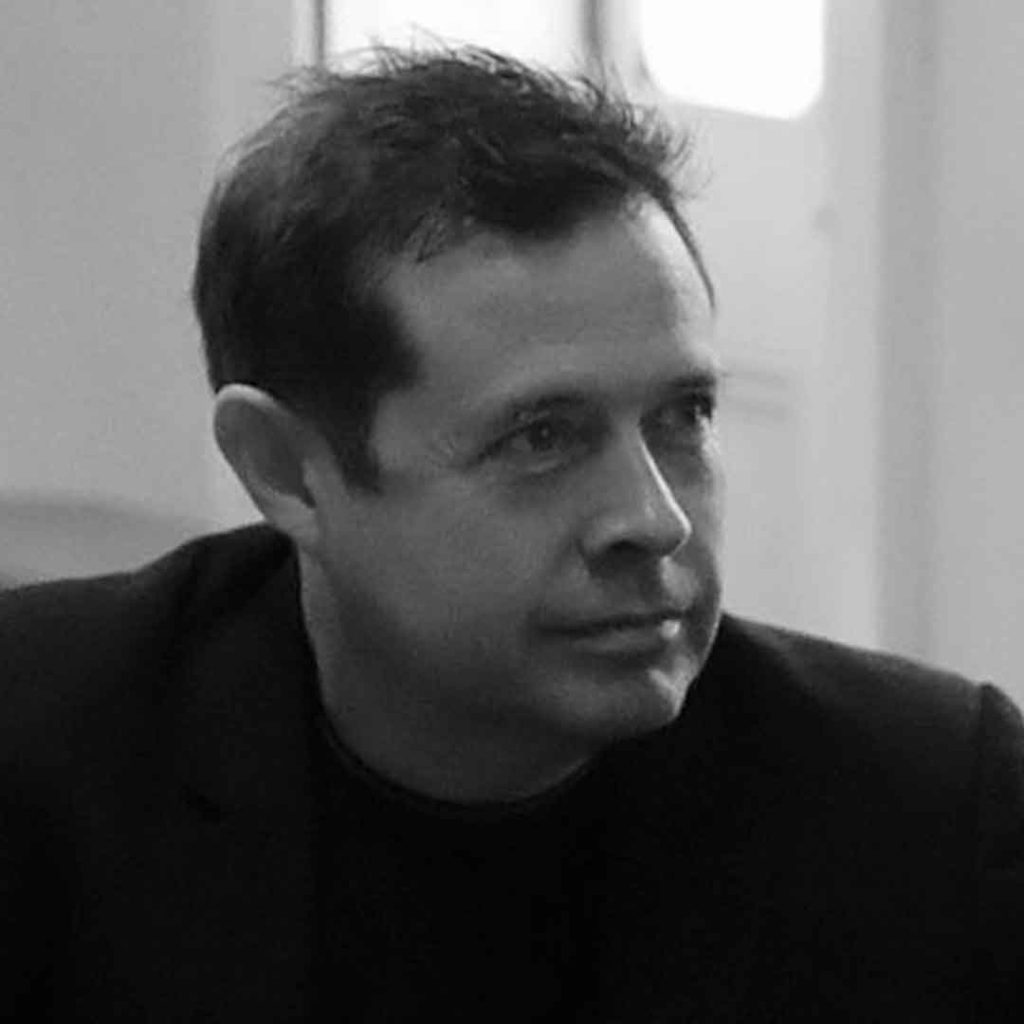
He is a Chilean architect, researcher, educator and cultural policymaker. He serves as Head of the Architecture Unit at Chile’s Ministry of Cultures, Arts, and Heritage and as Visiting Professor at Tulane University. His work spans research, practice, publications, and exhibitions.
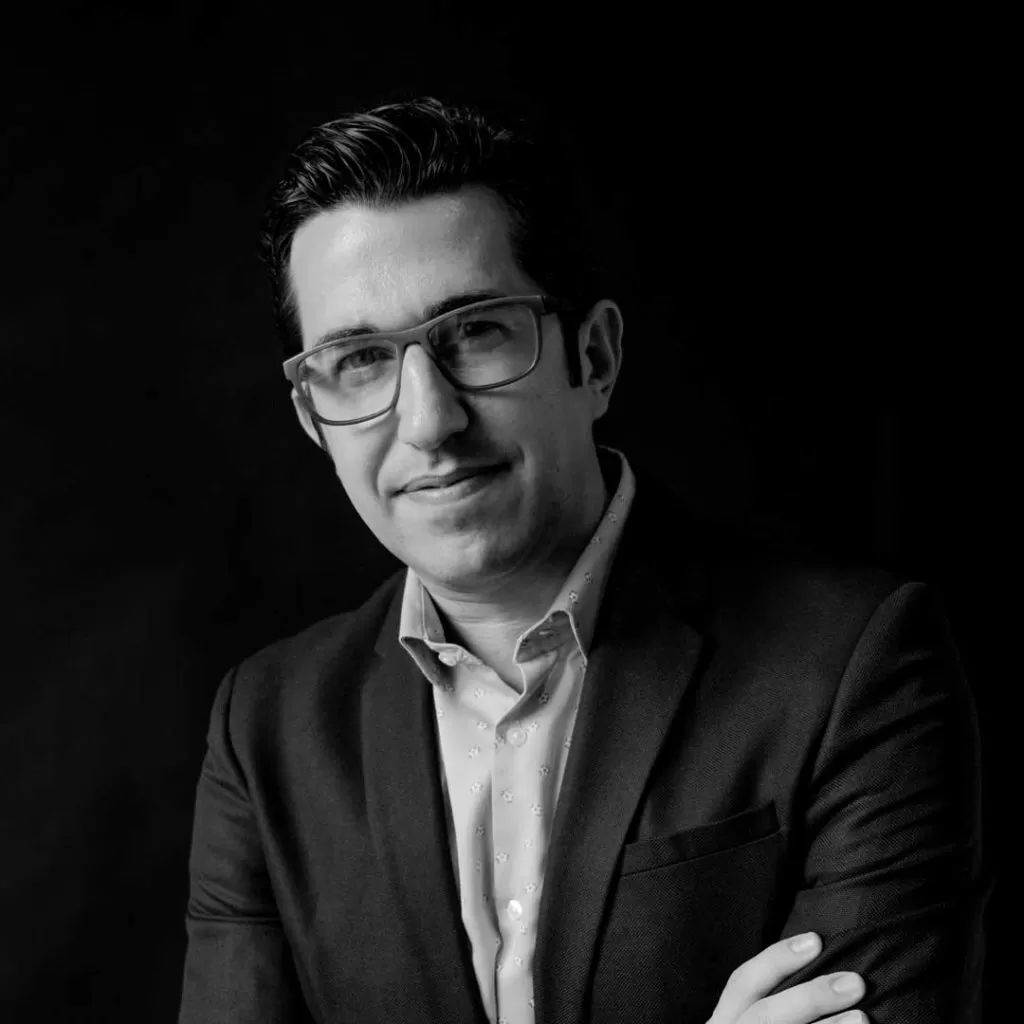
He is a Spanish architect, urbanist, educator, and researcher. He is Associate Professor of Architecture and Urbanism at Tulane University and Director of the Sustainable Urbanism Program. His work explores spatial design at the intersection of architecture and urbanism, addressing social, ecological, and territorial challenges.
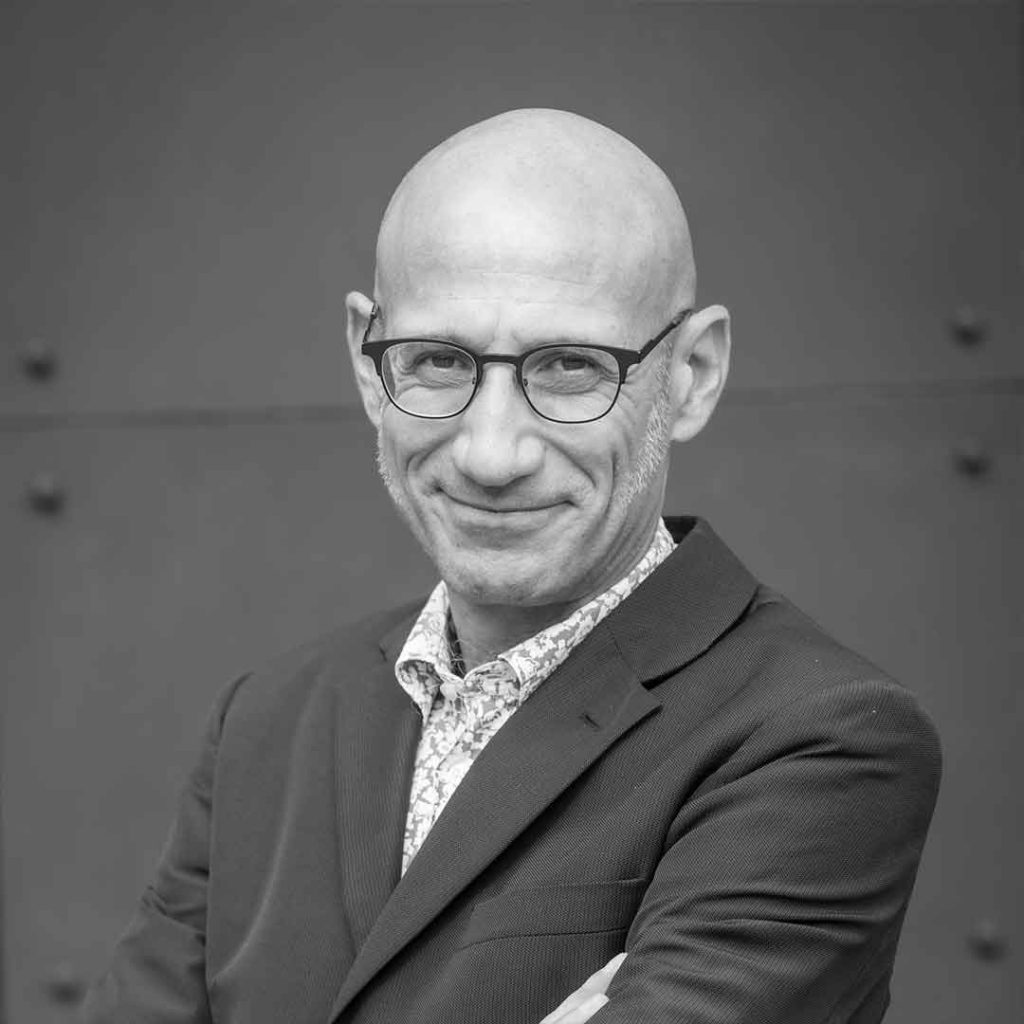
He is Dean of the School of Architecture and Built Environment at Tulane University and co-founder of the internationally recognized firm Aldayjover Arquitectura y Paisaje. His work and research focus on water, landscape, and resilience in the face of climate change.
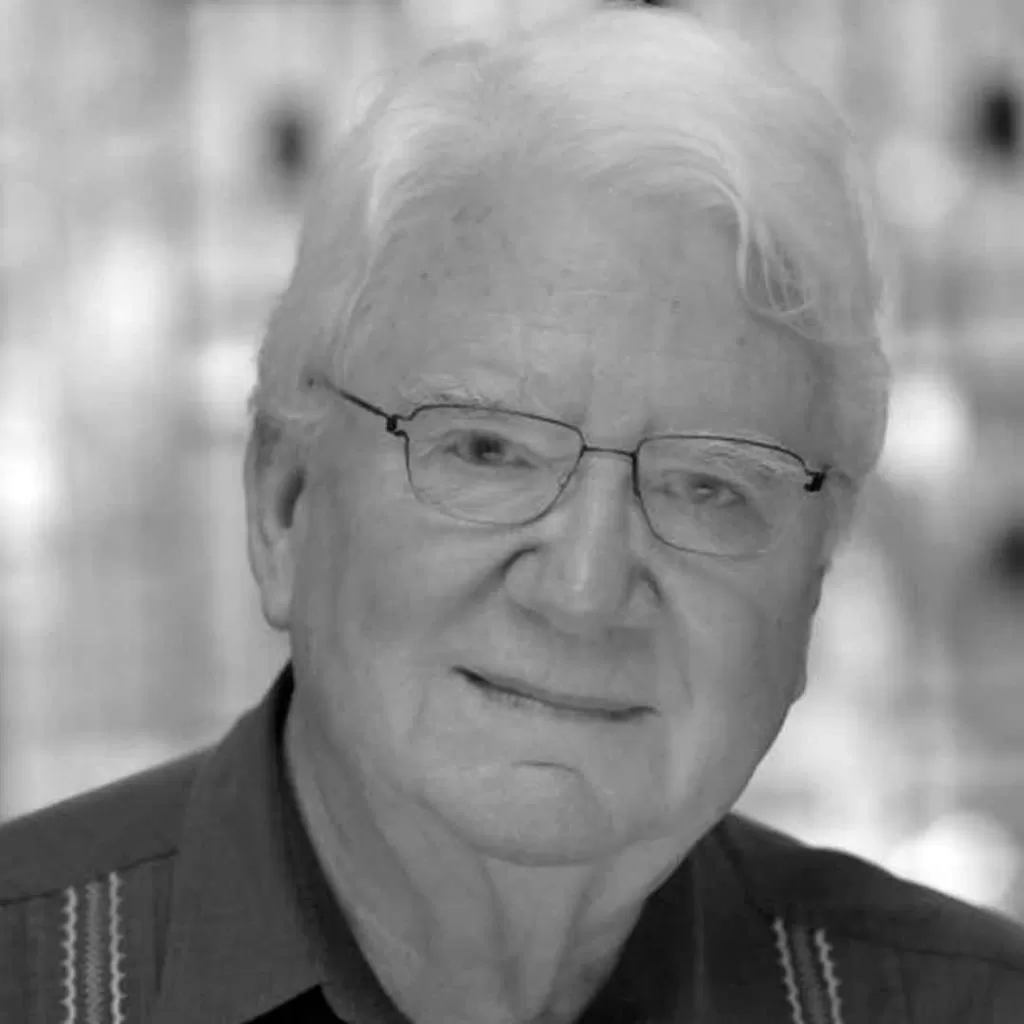
He is Professor of Art History at Tulane University and former Executive Director of the Stone Center for Latin American Studies, where he led one of the leading academic hubs for Latin American studies.
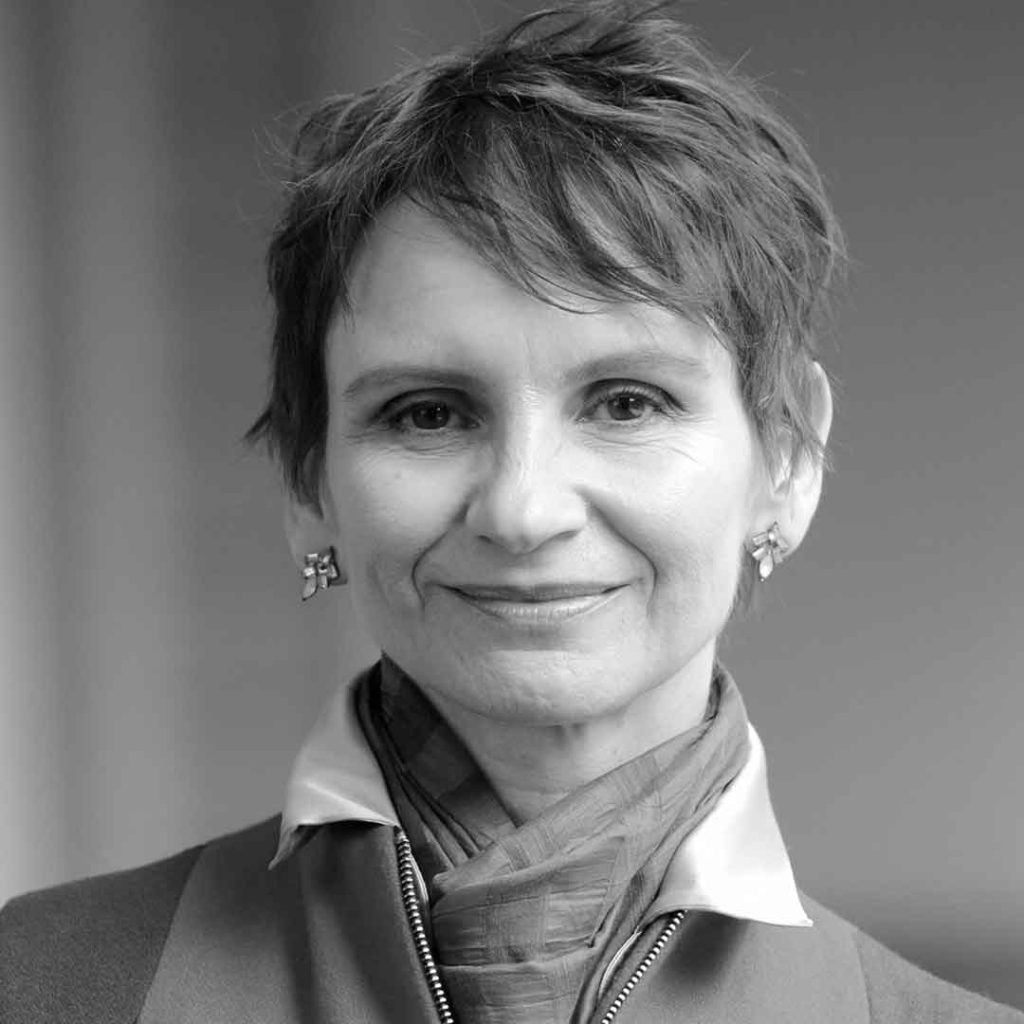
She is a Chilean political leader and public policy expert. She has served as Minister of the Interior and Public Security, Vice President of Chile, Member of Congress, and Mayor of Santiago. Her work focuses on urban governance, public policy, and the relationship between cities, democracy, and social development.
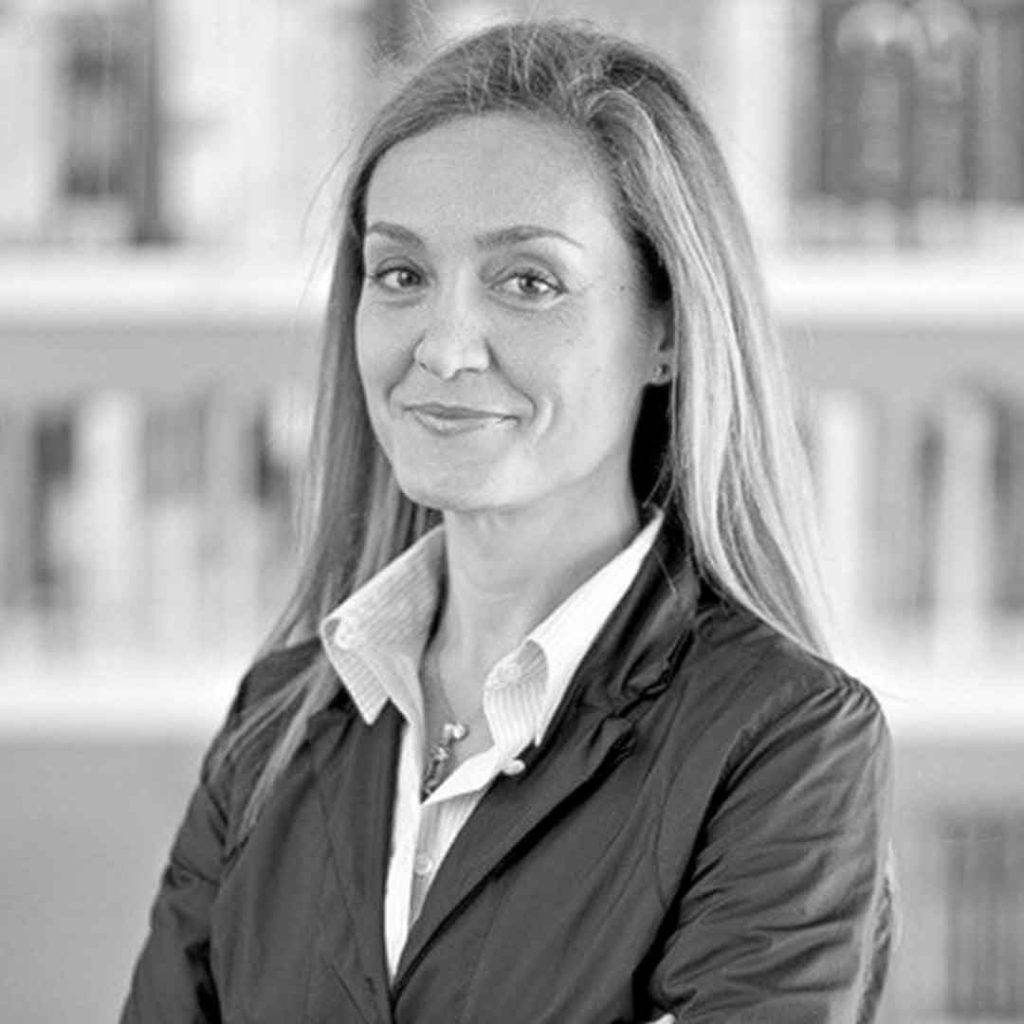
She is Associate Professor in the River- Coastal Science and Engineering Department at Tulane University. Her research focuses on the interactions between the hydrological cycle, vegetation, and climate, exploring ecohydrology, hydrometeorology, and water resources in the context of environmental change and sustainability.
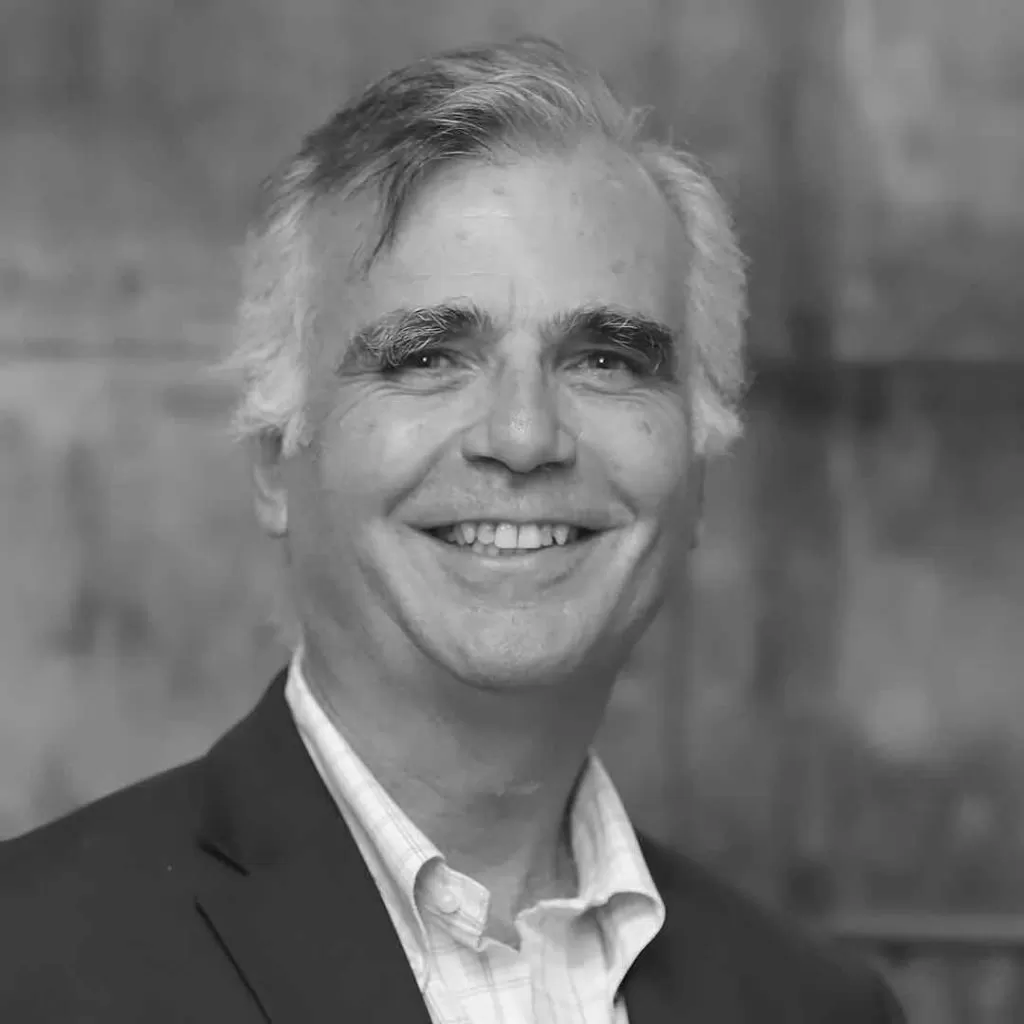
He is a Chilean engineer specializing in desalination and water infrastructure. He is former President of the Chilean Desalination and Water Reuse Association (ACADES) and currently serves on its board. He also works with IDE Technologies on largescale desalination and water supply projects.
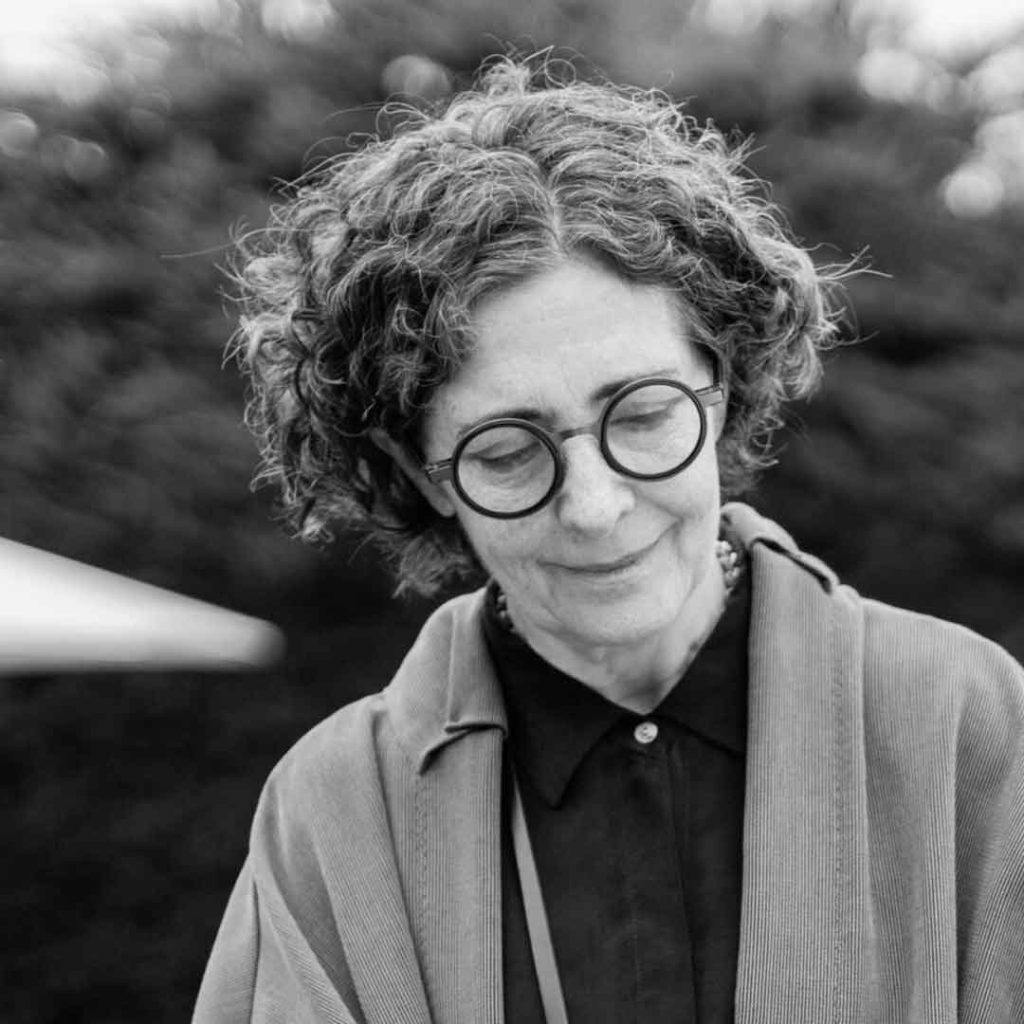
She is a Chilean architect and Executive Director of the Museo Chileno de Arte Precolombino (MCHAP) in Santiago. Founder of Cecilia Puga – Paula Velasco Arquitectura, her work spans architecture, cultural heritage, and exhibitions. Her projects and research explore the relationship between architecture, history, and the cultural landscape.
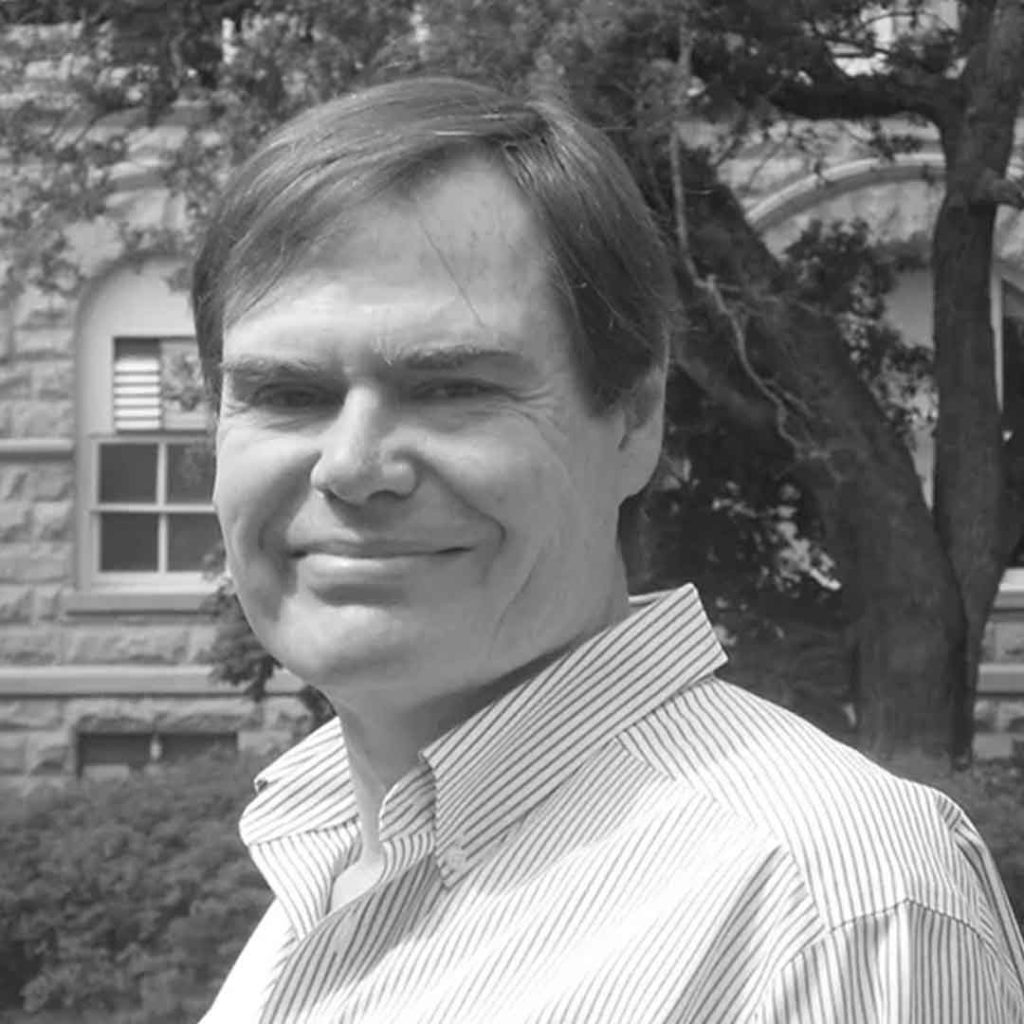
He is a political scientist and Professor of Political Science at Tulane University, where he holds the Friezo Family Foundation Chair. His research focuses on Latin American politics, state–society relations, and the political economy of development, including social movements and environmental governance.
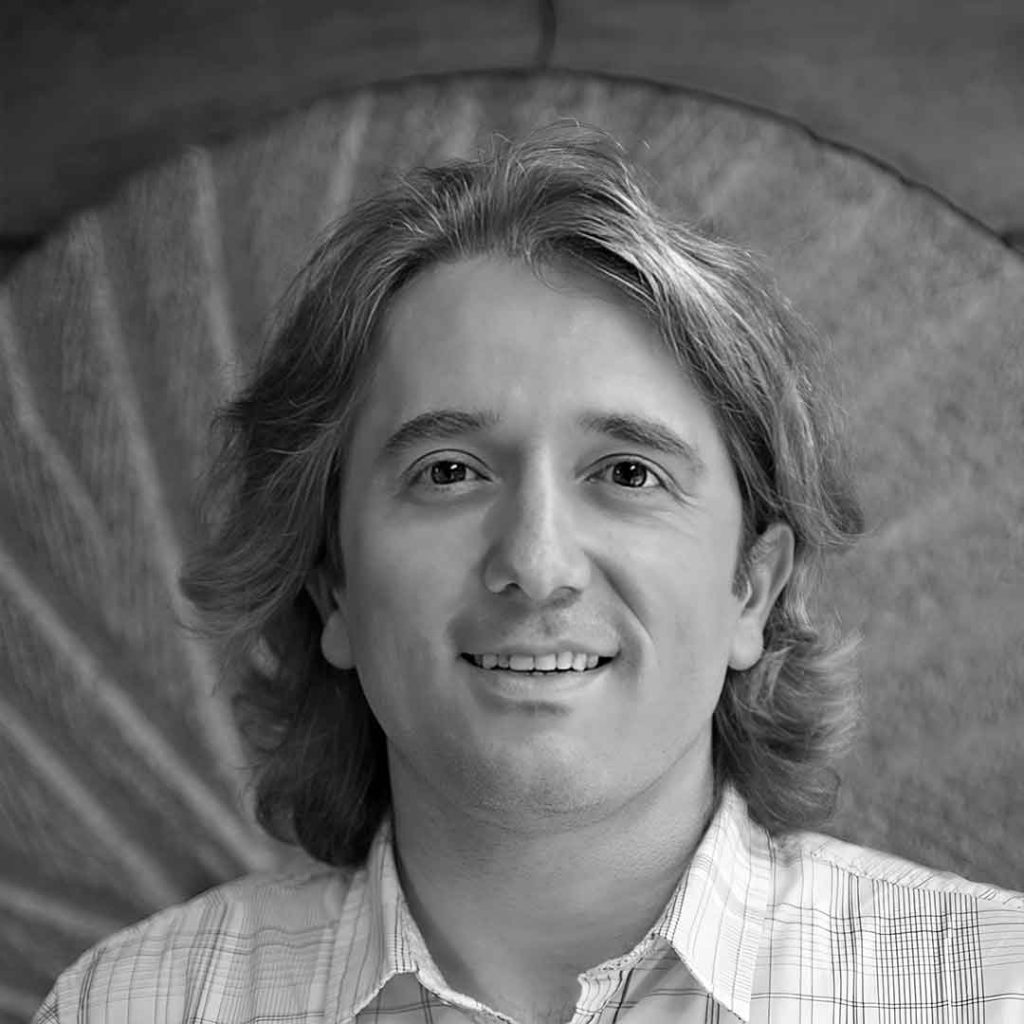
He is the Michael A. Fitts Presidential Chair in Environmental Informatics and Artificial Intelligence at Tulane University, Professor in the Department of River- Coastal Science and Engineering, and a core member of the Tulane ByWater Institute.
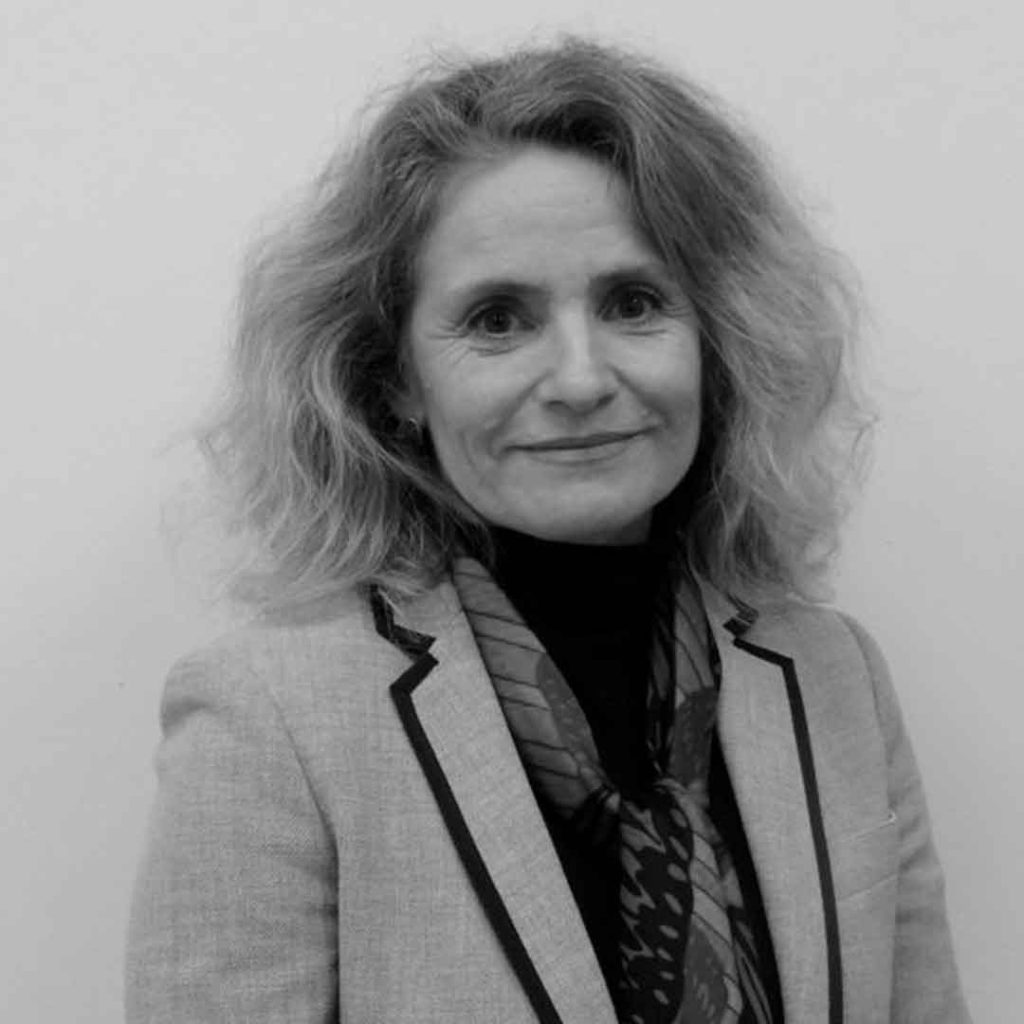
She is a Chilean engineer specializing in water management and sustainability in the mining sector. She serves as Corporate Water Manager at CODELCO, where she leads strategies for water security, efficiency, and desalination. Her work focuses on integrating industrial operations with sustainable water governance.
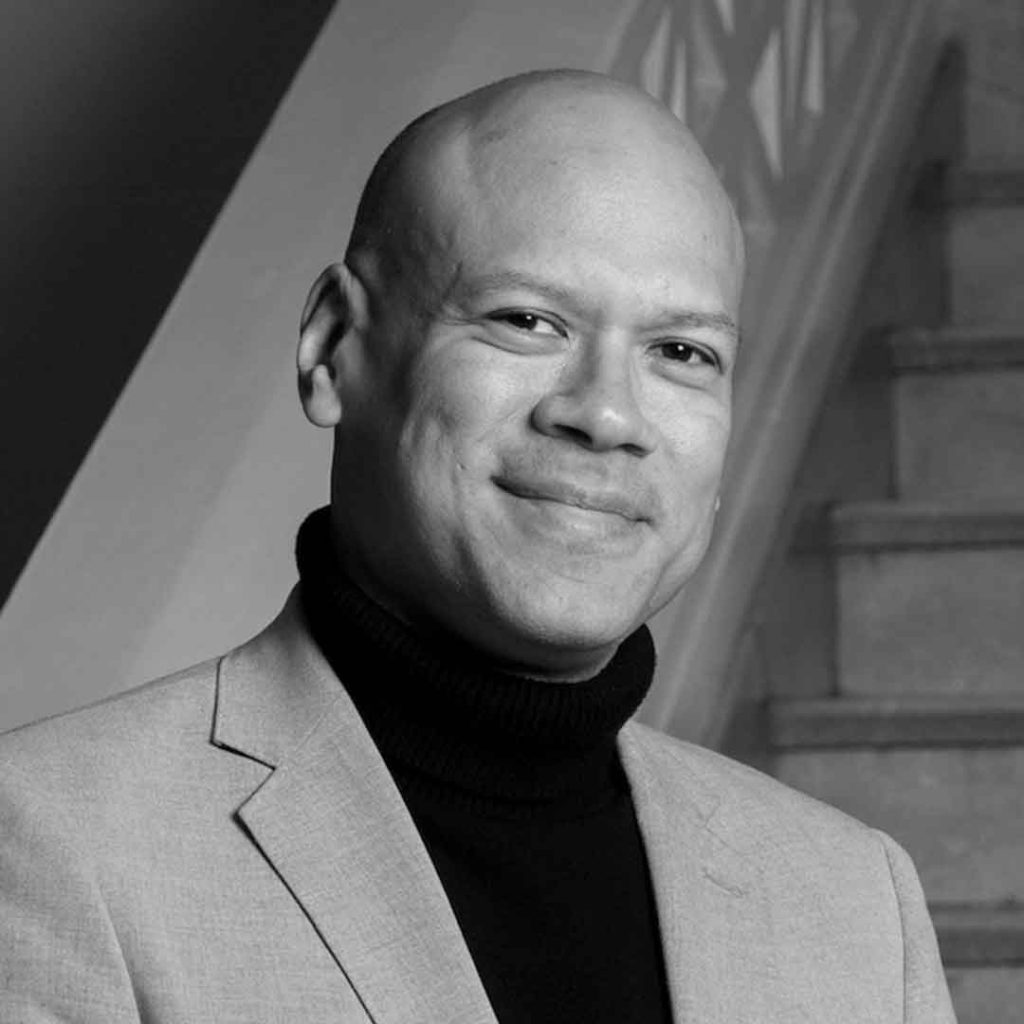
He is a curator and museum professional specializing in Latin American art and cultural heritage. He serves as Curator of the Arts of the Americas at the New Orleans Museum of Art (NOMA). His work focuses on exhibitions, collections, and research on the artistic and cultural histories of the Americas.
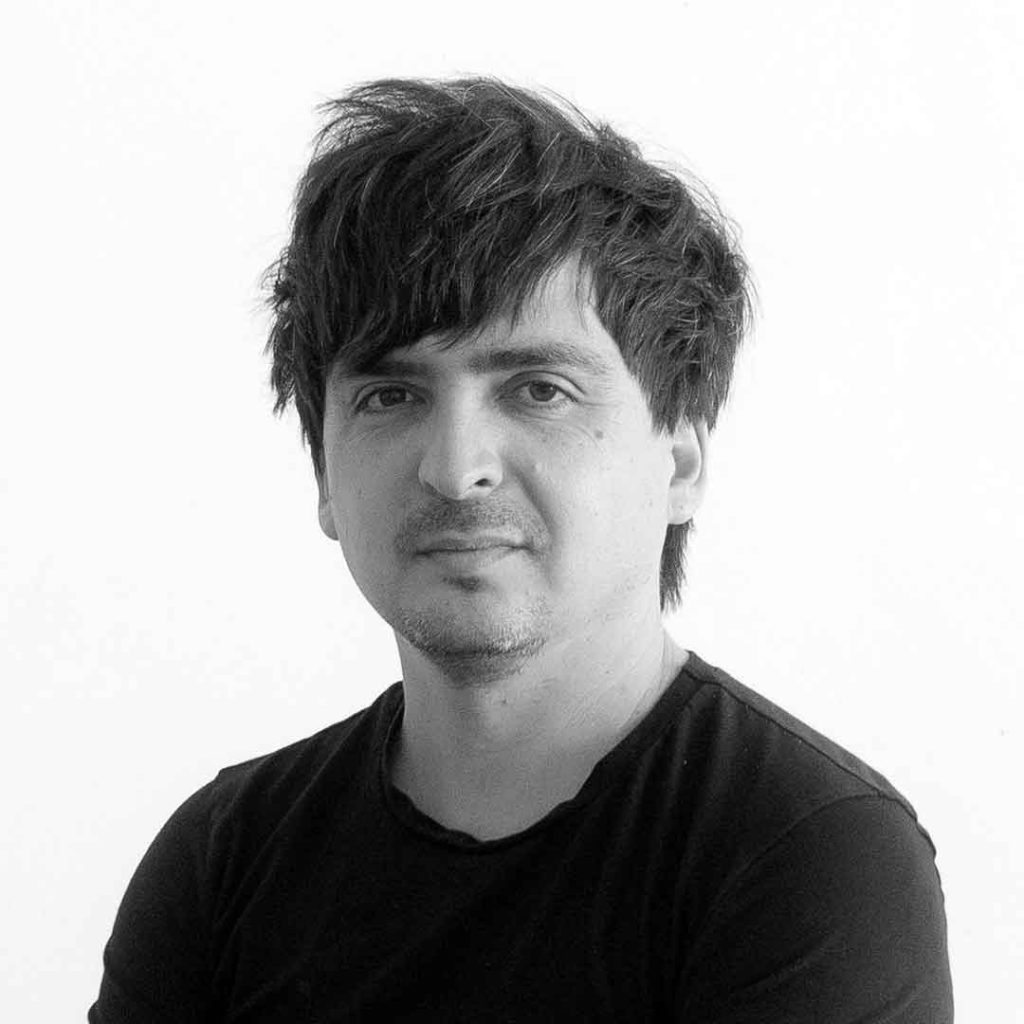
He is a Chilean architect, researcher, and curator. He is Associate Professor of Architecture at the Pontificia Universidad Católica de Chile and Head of the PhD Program in Architecture, Design, and Urban Studies. His work explores the history of architecture, technology, and infrastructure through research, publications, and exhibitions.
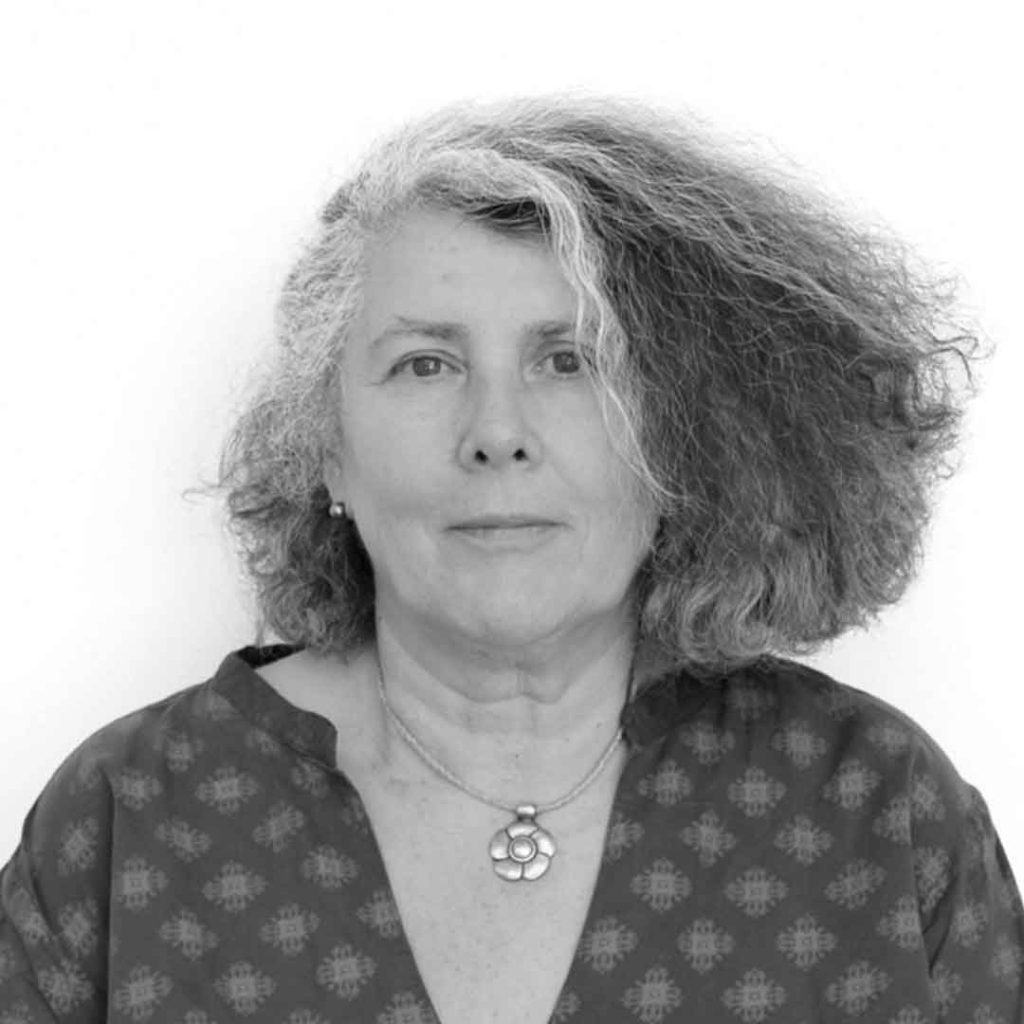
She is a is a Chilean archaeologist and conservator specializing in cultural heritage and museum collections. She serves as Head of Collections at the Museo Chileno de Arte Precolombino (MCHAP) in Santiago. Her work focuses on the conservation, research, and stewardship of pre- Columbian collections.
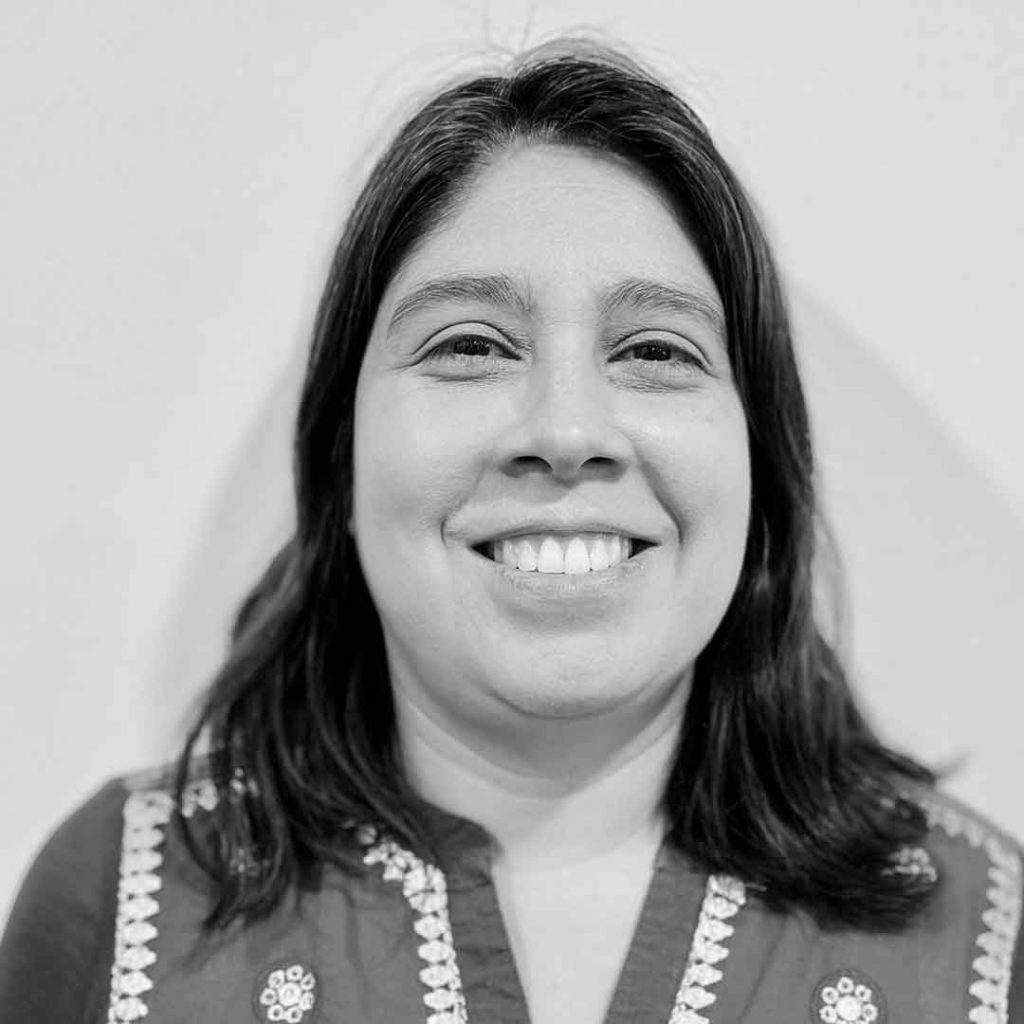
She is a Chilean chemical engineer with a Master’s degree in Environmental Engineering from Columbia University. She has extensive experience in climate change adaptation policies and currently serves as a senior professional in the Climate Change Division at the Ministry of the Environment Chile.
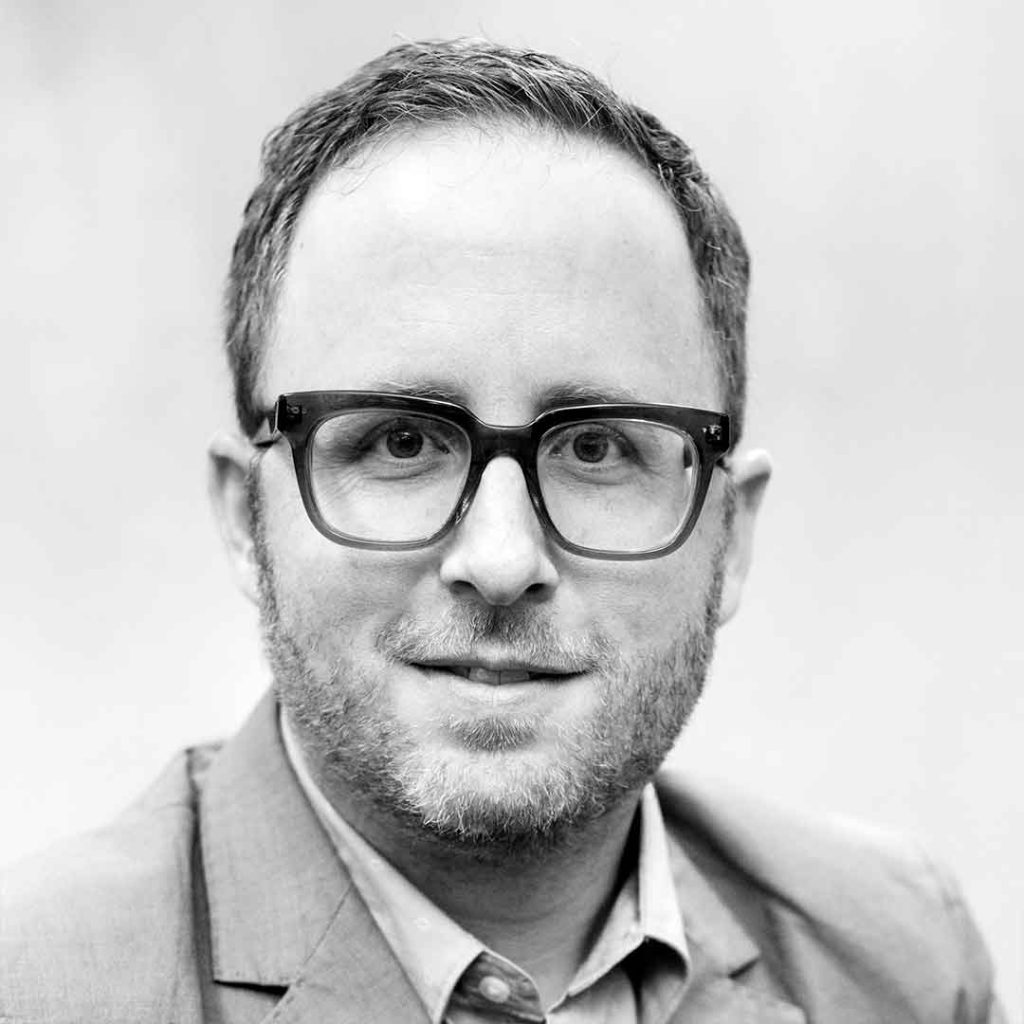
He is an architect, designer, and educator. He is Associate Professor of Architecture at Tulane University and Research Director of the Center on Climate Change and Urbanism. His work explores the intersection of architecture, computation, fabrication, and ecology through research, teaching, and design practice.
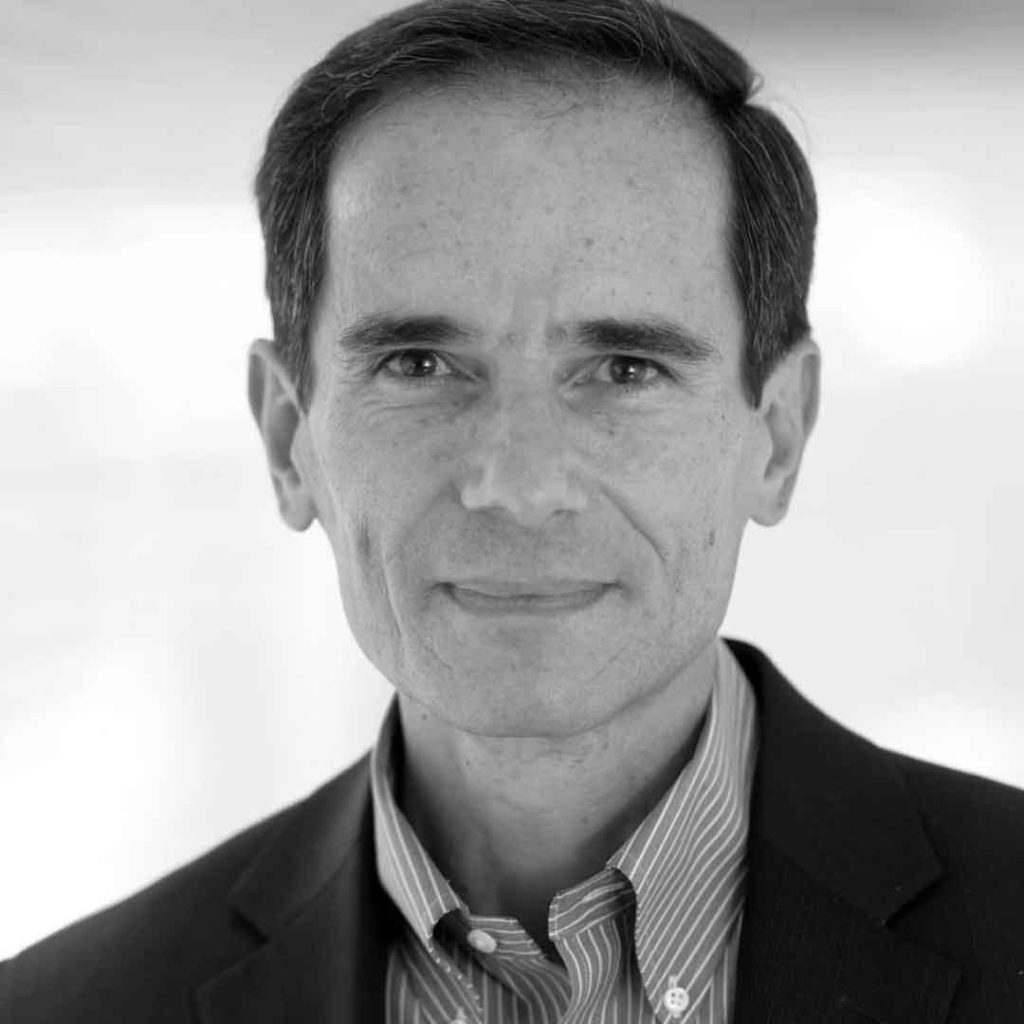
He is a political scientist and policy expert specializing in governance and political economy in Latin America. He serves as Executive Director of the Center for Inter- American Policy and Research (CIPR) and Research Associate Professor at Tulane University. His work focuses on democratic institutions, development policy, and regional governance.
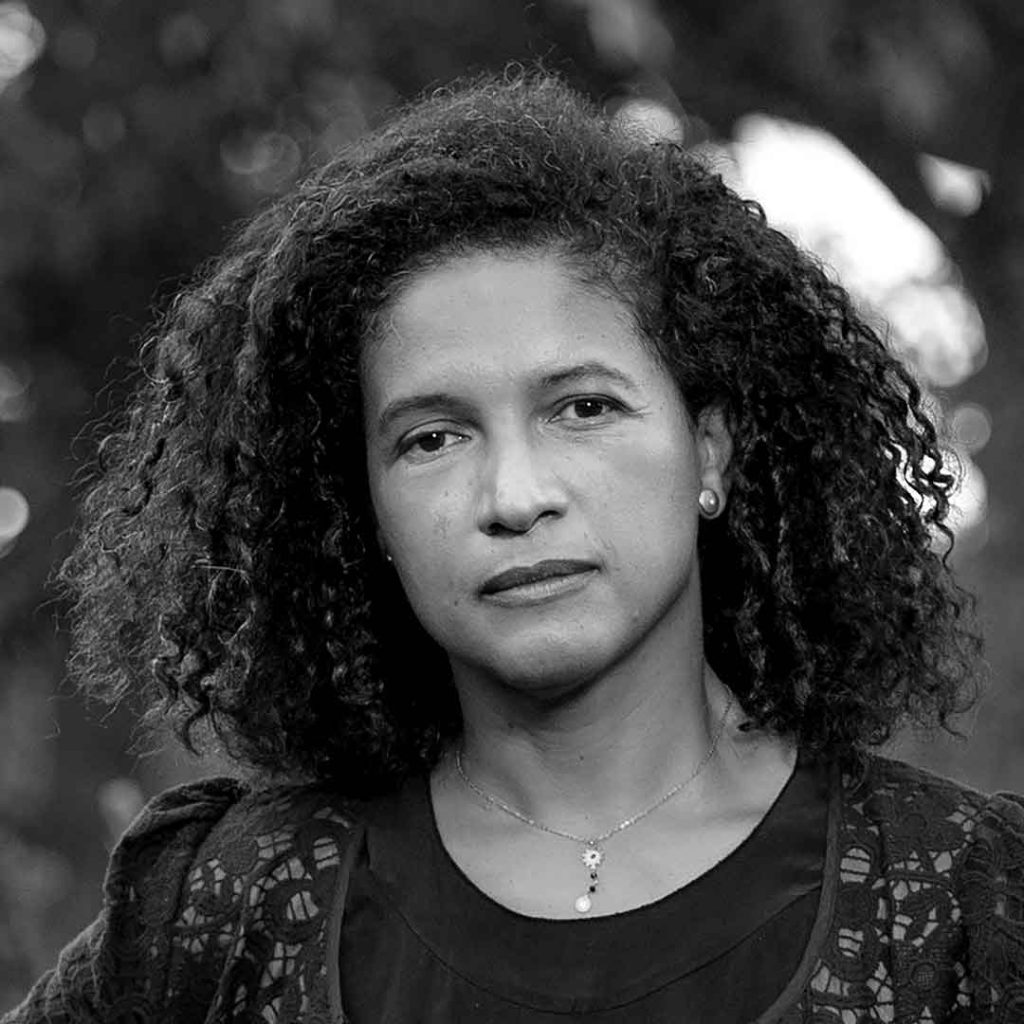
She is an architect, researcher, and educator. She is Professor of Architecture at Tulane University and Co- Director of the Landscape Architecture and Engineering Program. She is also co-founder of aldayjover architecture and landscape, whose work explores the relationship between cities, rivers, infrastructure, and climate adaptation.
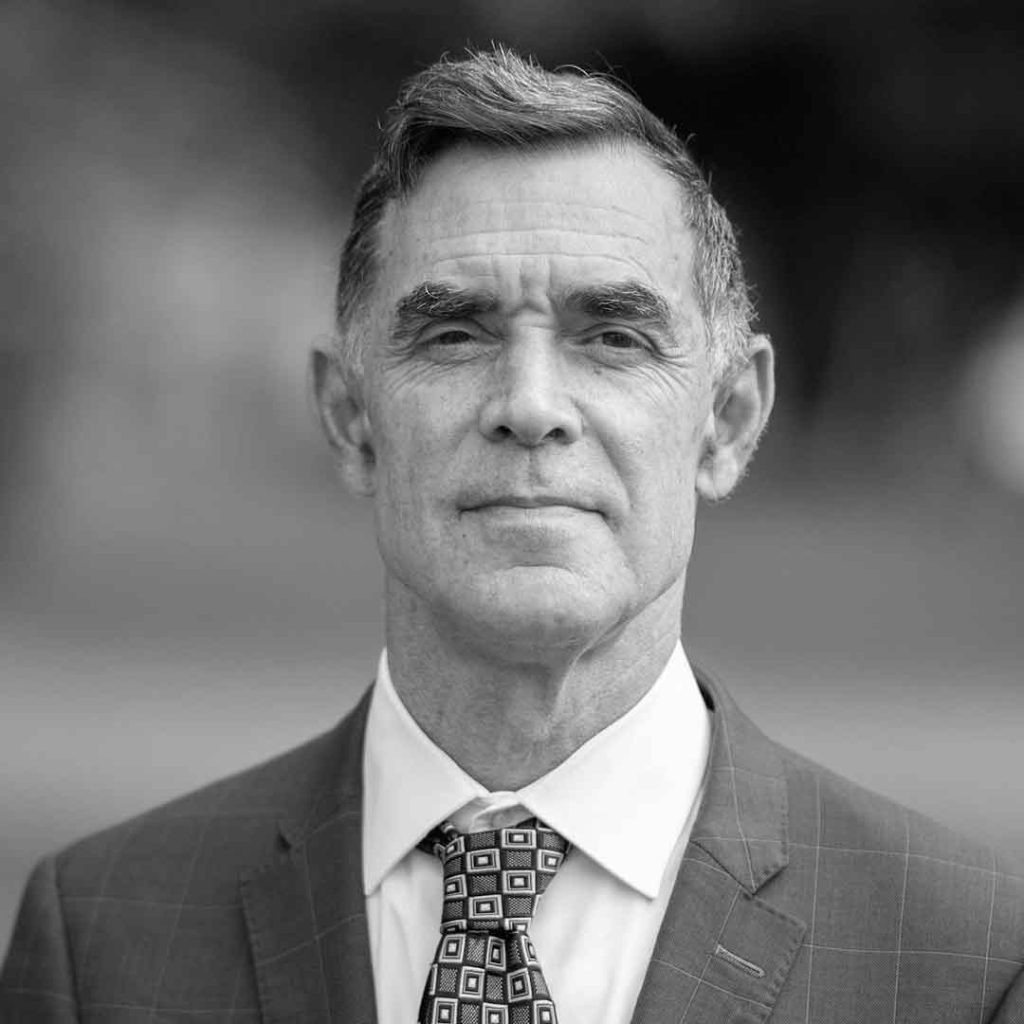
He is a political scientist specializing in Latin American politics and international relations. He serves as Executive Director of the Roger Thayer Stone Center for Latin American Studies and Professor of Political Science at Tulane University. His research focuses on democracy, authoritarianism, and governance in Latin America.
Registration
Welcome Remarks: Dean Iñaki Alday
Introduction: Rubén García Rubio and
Cristóbal Molina
Panel 1 (Water Heritages):
Cecilia Puga, Pilar Alliende and Orlando
Hernández Ying.
Moderator: Tony Pereira (SCLAS)
Panel 2 (Water Technologies):
Mariana Concha, Carlos Foxley and Ibrahim
Demir.
Moderator: Margarita Jover (TuSABE)
Panel 3 (Water Disputes):
Carolina Tohá and Eduardo Silva.
Moderator: Ludovico Feoli (CIPR)
Lunch
Panel 4 (Water Climates):
Priscilla Ulloa, Pedro Alonso and Annalisa Molini.
Moderator: Adam Marcus (CCU)
Epilogue / Afterword — Toward a
Shared
Vocabulary of Water Paradoxes
Tom Reese
Closing Remarks: Rubén García Rubio and Cristóbal Molina
Please complete the form to register for Water Paradoxes: The Atacama Desert as an Extreme Laboratory for Climate, Extraction, and Design.
Attend the Symposium. Join scholars, designers, policymakers, and experts for a cross-disciplinary conversation on water, extraction, climate change, and design in one of the world’s most extreme inhabited territories.
Saturday, April 11, 2026
9:30 AM – 3:30 PM
Richardson Memorial Hall, (Thomson Hall, Room 202) Tulane University
6823 St. Charles Avenue /
New Orleans, LA
United States of America
Tulane University is committed to providing universal access to all our events. Please contact the event organizer listed above for accessibility accommodations. Please note that advance notice is necessary to arrange some accessibility needs.
Tulane is an equal opportunity educator and employer. Legally protected demographic classifications such as race, national origin, sex, age, disability, veteran status, etc. are not relied upon as an eligibility or participation criteria for employment or educational programs or activities.